
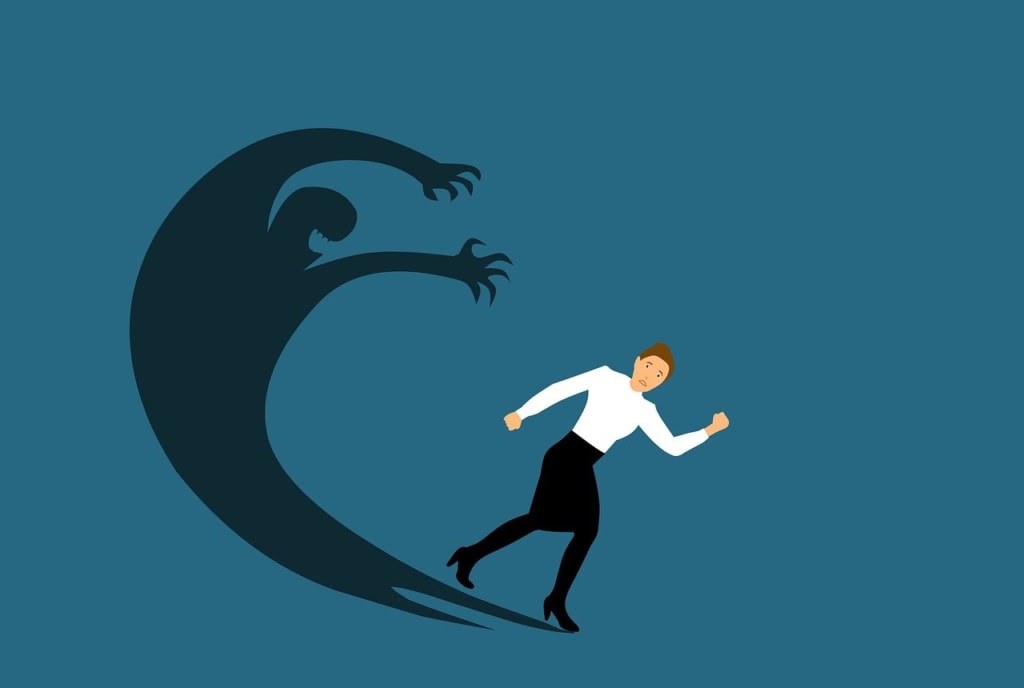
Why You Don’t Need to Suffer to Overcome Your Phobia
If you have any kind of phobia, chances are you’ve heard that the only way to overcome it is to grit your teeth and face it head-on. This outdated notion can have you fearing the treatment more than the phobia itself. What if I told you there are gentler, more empowering ways to overcome a phobia?
I’ve worked with clients who have felt trapped by their fears, whether it’s flying, spiders, heights, enclosed spaces, public speaking, or something else entirely. Some phobias can seem quite strange, like the fear of buttons or broccoli, but the fear part of our brain doesn’t work on logic.
I was prompted to write this blog after I saw part of a television series a little while ago where therapists used exposure therapy to help people to overcome phobias, and I was shocked. I saw a grown man cry at the sight of a puppy who he was forced to stroke with great distress, and a woman in great distress while being exposed to birds.
What many people don’t realise is that overcoming a phobia doesn’t have to be frightening or traumatic. The therapies I use – hypnotherapy, NLP (Neuro-Linguistic Programming), and EFT (Emotional Freedom Techniques), give you gentle, effective ways to release fears and regain control, without having to go through high levels of distress.
Understanding Phobias: More Than Just Fear

A phobia is much more than just being afraid of something. It's an intense, irrational fear response that's overwhelming. While ordinary fears might cause some anxiety and discomfort, a phobia triggers an immediate anxiety response that can include:
- Rapid heartbeat and breathing
- Trembling or shaking
- Feeling dizzy or lightheaded
- Sweating or chills
- Nausea or stomach distress
- An overwhelming urge to escape the situation
You might recognise that your fear is excessive or unreasonable yet go to great lengths to avoid triggers, even when you know your fear isn’t logical.
Phobias often develop in childhood, but they can form at any age.
Common Types of Phobias
Phobias can be as unique as the individuals who experience them, but here are some of the more common types:
- Animal phobias – such as fear of spiders (arachnophobia), snakes, or dogs.
- Natural environment phobias – like fear of heights (acrophobia), storms, or water.
- Situational phobias – including fear of flying, driving, tunnels, or enclosed spaces (claustrophobia).
- Medical phobias – such as fear of needles, blood, or dental procedures.
- Social phobias – including fear of public speaking or being judged in social situations.
Phobias can vary in intensity and how much it impacts your life. For some, the fear might be mild and manageable; for others, it can interfere with everyday life. No matter the type or severity, or even if you think it's more of a fear rather than a phobia, there is help available, and it doesn’t have to be a painful process.
The Myth of "No Pain, No Gain"
There is a common misconception that you must literally "face your fear" to overcome it. Exposure therapy, for example, works on that principle, where you are gradually or suddenly exposed to your feared object or situation until you become comfortable. While it can be effective for some, it can also be highly distressing. For some, it can even reinforce their fear.
Gentle, Effective Therapies To Help You Overcome Your Phobia

Hypnotherapy: Rewriting the Fear Response
Hypnotherapy for phobias is highly effective for helping you to overcome your phobia. While you are in a relaxed state, we can gently explore your fears and use effective techniques to help you to feel comfortable around your feared object or situation.
Rather than confronting your fears in real-time, hypnotherapy allows us to work with your subconscious responses while you feel quite comfortable and safe.
With hypnotherapy techniques we can help you to replace your old, fearful response with new, calm responses.
Neuro-Linguistic Programming (NLP): Rewiring Your Response Patterns
Through specialised NLP techniques, I can help you to effectively "recode" how your mind processes information related to your phobia. These powerful methods allow us to:
- Release the fear that underlies your phobia
- Reframe past experiences that may have contributed to your phobia
- Disconnect the trigger from your automatic fear response
- Help you to create new, calmer neural pathways
- Helps you gain resources and abilities that transform how you respond
With NLP techniques we can work quickly – many clients find that their phobia is resolved in just one or two sessions without having to directly confront what they fear. They do so when they feel comfortable to test how they respond differently.
Emotional Freedom Techniques (EFT) Tapping to Release Fear
EFT Tapping combines elements of acupressure with modern psychology to address the energetic component of phobias. By tapping on certain meridian points while focusing on specific aspects of your fear in a gentle non retraumatising way, we can rapidly reduce the emotional charge associated with your phobia.
This approach is particularly powerful because:
- It calms your nervous system's fight-or-flight response
- It addresses both conscious and subconscious aspects of your fear
- It helps you to gently reduce or illuminate your fear with having to confront your phobia
- You can learn to use it yourself as a self-help tool
It’s effective for so many issues, and clients often notice a big shift in the first session.
As well as using EFT with clients in sessions, I show them how to use it on their own, so they can continue to between sessions and whenever need to for any issues.
Healing Doesn’t Have to Hurt

Healing can be gentle and even empowering. The therapies I use work with your mind and body, helping you to release fear and change how your mind responds to your feared object or situation rather than push through it.
Results and the number of sessions does vary from person to person because everyone is unique. It can also depend on the type of phobia you have and whether it’s simple and specific or more complex.
If your issue seems to be more of a fear rather than a phobia, I can help with that too.
You Deserve a Calm, Supportive Path to Freedom
If you’ve been putting off getting help because you thought it would be too painful, I want you to know that there is another way. You can take back control of your life without suffering.
I offer a free 20-minute telephone consultation so we can talk through your phobia or fears, and specifically what you’re experiencing, and how I can help you to overcome that gently and effectively.