

Top 10 Things Every Anxious Person Should Know for a Calmer Life
If you are experiencing ongoing anxiety, or even think of yourself as an anxious person, you may be wondering whether there is a natural way to live a calmer life.
Anxiety is a very common issue, and in its various forms, it affects millions of people around the world. While it's a natural response to stress, it doesn’t have to be something that you have to endure long term. If you are highly anxious, understanding anxiety and having things to help anxiety is crucial for having a calmer, more fulfilling life.
If you tend to be anxious, here are 10 essential things you should know to help yourself to begin to set yourself onto a path to live a calmer life.
1, Anxiety is a Normal and Natural Response
Many people have self-judgment, and they worry about what others may think of them if they admit that they are suffering from anxiety. It’s important to understand that it’s perfectly normal to have worries that lead to heightened anxiety.
Anxiety is a normal response to when you feel overwhelmed and worried about an upcoming event or feel unable to cope with various issues. It’s a nervous system response that evolved to protect us from danger. When you feel anxious, your body is preparing you to respond to what you consciously or unconsciously perceive to be a threat, whether it’s physical, emotional or psychological.
Tip: Accept your anxiety as a normal human reaction, and not something to judge yourself negatively about in any way. Practice mindfulness to observe your feelings without judgment, allowing yourself to experience them without adding extra layers of fear, self judgement, or worrying about what others might think of you.
2. Anxiety Makes our Mind Go Blank

Have you ever had the experience where you’re feeling anxious, and you suddenly can’t think straight?
Aa a common example, maybe you’ve studied hard for an exam, and you knew your subject well, yet when it came to the actual exam, your mind froze. Or similarly, you’ve giving a presentation, and you really know your stuff, and you find yourself stuck for words as your mind goes blank.
The above examples happen because when we’re anxious, the protective, fear part of our brain (the amygdala) takes over, often overriding the part of our brain responsible for rational thought (the prefrontal cortex). This can give us clouded judgement, difficulty in thinking clearly, and making decisions. With stress hormones coursing around your body, it’s no wonder you find it hard to do your best in the situation.
Tip: When you notice this happening, pause and give yourself a moment to breathe. Focus on the air coming in through your nose and slowly out through your mouth. Then focus on the physical sensations in your feet on the ground, and then smile. This can help to calm your mind and to re-engage your rational brain.
3. Anxiety is Generally Worry About the Future
Anxiety is usually caused by worrying about what might happen in the future, even if it’s only about the next few minutes. It’s about imagining things going badly, and worrying about uncertainties rather than focusing on what’s happening now, or expecting positive things to happen. Even if you feel anxious about something that has already happened, it’s usually the fear of future negative consequences of what happened that makes you worry.
Tip: Mindfulness techniques can bring your focus into the present moment and help you to feel calmer. A technique where you focus on your five senses, like the one below is a good way to calm your mind.
The 5-4-3-2-1 method
Name the following things to yourself:
5 things you can see
4 things you can touch
3 things you can hear
2 things you can smell
1 thing you can taste.
If you want to go deeper and release emotions, worry, and stress about specific issues that you feel worried about, techniques such as EFT (Emotional Freedom Techniques), also know as Tapping, can be used as an effective self-help tool. This can leave you free to imagine and expect much more positive future things to happen for you.
4. There’s a Link Between Breathing and Anxiety
There’s a direct link between anxiety and the way you breathe; it’s a two-way system. When you're anxious, you’re likely to be breathing much more from your chest, taking in short, shallow, breaths, and then breathing from the chest makes you more anxious because it activates the fight or flight response more.
The more anxious you feel, the more you would tend towards taking shallow, rapid breaths, making you more anxious. This can make you to feel light-headed and can lead you to panic. Conversely, when you take deep, slow breaths this activates your body’s relaxation response.
This is especially obvious and more extreme with panic attacks. It is part of the flight/flight system that is designed to help you to get away from danger or to fight when needed. When someone is chronically anxious, they often don’t realise that they are taking in shallow breaths.
Tip: There are many breathing techniques that can be helpful and calming. The one that I would recommend starting with is diaphragmatic breathing, also called abdominal breathing or belly breathing, It involves breathing deeply into your belly rather than your chest, as below.
Abdominal breathing
- Place one hand on your chest and the other on your abdomen.
- Inhale calmly through your nose, allowing your abdomen to expand while keeping your chest relatively still. (The aim is not to take in more air, but to breath slowly and deeply into the lower part of your lungs).
- Exhale slowly, either through your mouth or nose.

Many people find this easier to practice lying on their back at first until it becomes easier to do. Regular practice of this technique can help reduce your overall levels of anxiety.
5. Caffeine Can Make You Feel More Anxious
Caffeine is a stimulant, and if you have too much it can make you feel jittery and on edge, creating feelings similar to anxiety. It can increase your heart rate and make you feel restless. Everyone has a different tolerance, but for many people, caffeine can make them feel even more anxious.
Tip: Pay attention to how your body reacts to caffeine. If you suspect that it leads you to feel more anxious, then reduce your intake or switch to decaffeinated drinks, or soothing herbal teas. Remember that caffeine is not only contained in coffee, but also in tea, many soft drinks, energy drinks, and chocolate.
6. Anxiety Can Take Many Forms
People can experience anxiety in many different forms, and in varying intensities. It might be something that you experience only occasionally related to a specific situation or an upcoming event. Or it can be much more frequent, or even a chronic condition that has a big influence on your daily life, such as with generalised anxiety disorder or panic disorder (a constant fear of having another panic attack).
Forms that anxiety can take include:
- Panic attacks
- Social anxiety
- Performance anxiety
- Specific fears or phobias
- Health anxiety
- Obsessive-compulsive disorder (OCD)
- Generalised anxiety disorder (GAD)
- Post-traumatic stress disorder (PTSD) following one or more very distressing event.
Tip: When you can identify the specific way or ways in which you experience anxiety, that can help you to find the most appropriate self-help techniques that would work best for you to help yourself with.
However, if you feel like you need more help, then working with a therapist can help you to work on resolving your anxiety, including the underlying issues that drive your it.
As a Specialist in anxiety issues, the therapies that I have personally found to be particularly effective for anxiety, and so many other issues are EFT (Emotional Freedom Techniques), hypnotherapy and NLP (Neuro Linguistic Programming). These are the main therapies that I use in my sessions with clients. I also use techniques to help you to calm your nervous system and a number of other tools and techniques that I teach clients to use on themselves for self-help.
7. Anxiety Affects Both Your Mind and Your Body
Anxiety isn't just a mental experience; it can also cause physical symptoms like muscle tension, dizziness, gut issues like IBS, fatigue and many other symptoms. It’s caused by your natural fight or flight response being triggered in an ongoing way. If you are not aware of this, then these physical symptoms may worry you and heighten your anxiety, creating a vicious cycle.
Tip: Calm the physical aspects of your anxiety with relaxation techniques such as progressive muscle relaxation, regular exercise, and making sure you get good, restful sleep. Things like Yoga, meditation, and tai chi are also excellent for helping to reduce both your physical and psychological symptoms of your anxiety.
8. Anxiety and Negative Thinking Are Interconnected
Anxiety and negative thoughts tend to feed into each other, creating a vicious cycle, so then you become increasingly anxious and more prone to negative thinking.
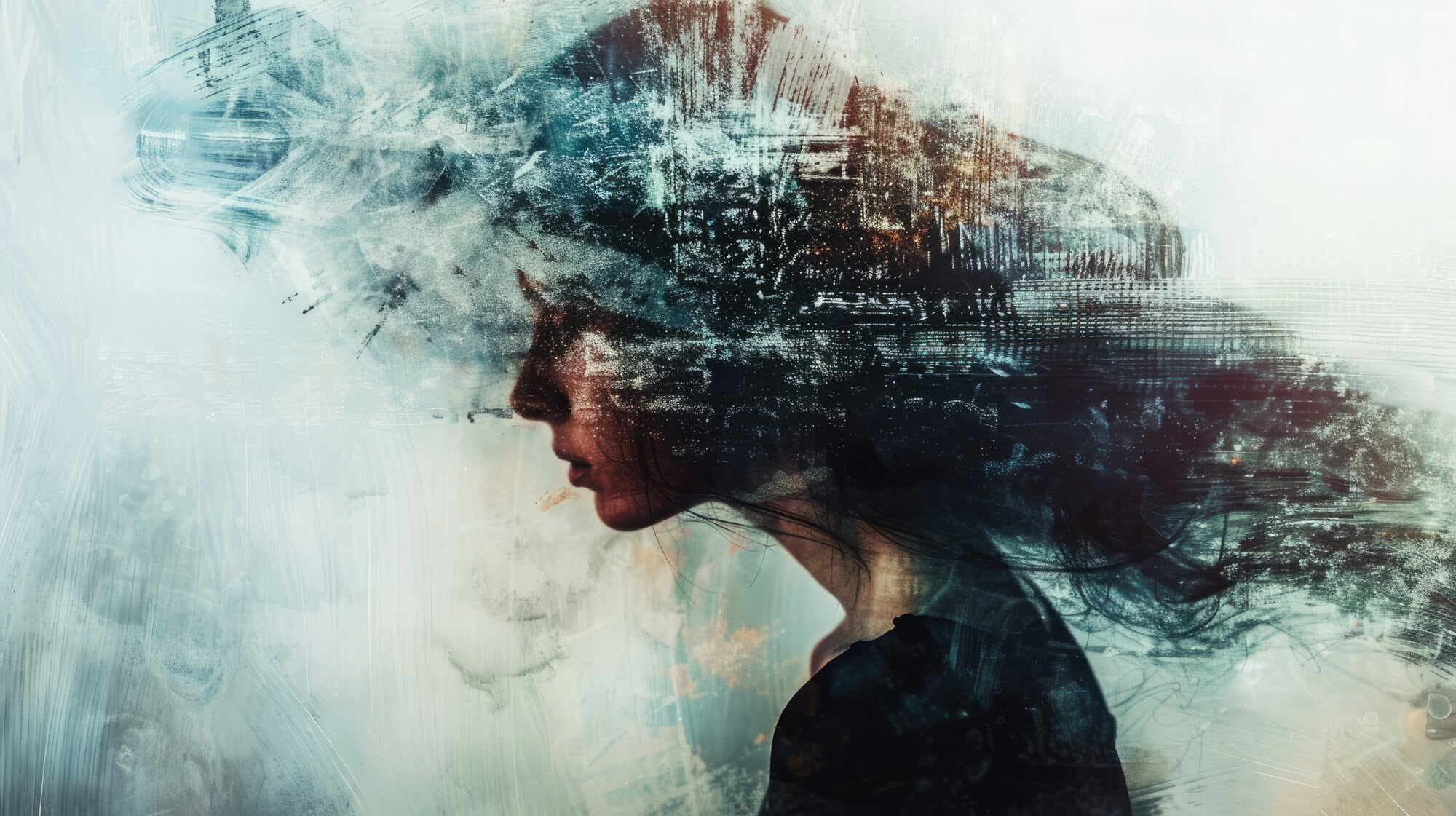
Anxiety is usually starts with worrying that something bad is going to happen (negative thought) which makes you feel anxious. And then when you are in an anxious state of mind, it can be very hard to think positively. Your state of mind usually dictates the type of thinking you do.
So, when you’re feeling anxious, you tend to think negatively, thinking of worse case scenarios, being more self-critical, and you tend to overlook positive aspects of situations, and so then you feel more anxious.
Tip: When you catch yourself thinking negatively, take a slow abdominal breath in to help you feel calmer and more centred. Then you can be mindful of your thoughts. You can ask yourself for evidence that supports or contradicts your thoughts, then you can ask yourself what kind of thoughts would be more helpful to think instead.
You can also start to use positive affirmations and gratitude exercises each day to shift your focus to a more positive mindset. You might like to start a journal to note down positive experiences and things you're grateful for.
9. Poor Diet and Low Blood Sugar Can Make Anxiety Worse
Your diet can significantly impact your levels of anxiety. It can influence your mood and emotional state. A poor diet, high in sugar and processed foods can cause problems such as poor gut health, and blood sugar imbalances, both of which can have a direct influence on your anxiety levels. Spikes and crashes in blood sugar can mimic or trigger anxiety symptoms. Vitamin and mineral deficiencies can also contribute to problems with your mental health.
Tip: Aim to eat a minimally processed diet that contains protein, fibre, healthy fats, and high-quality carbohydrates. Reduce your intake of alcohol and sugary foods and drinks and replace them with healthy foods and drinks. Eating regularly rather than skipping meals, and getting exercise and good sleep helps to keep your blood sugar stable.
Note: if you need to make a lot of changes to your diet it’s important to only make them gradually to avoid detox symptoms. You might need to consult your GP, and for specific nutritional advice please consult a qualified nutritionist.
10. Anxiety Can Be Successfully Treated

While anxiety can feel overwhelming, it’s not something that you have to struggle with long term. It is highly treatable with the right approach for you.
Various therapies and self-help strategies have proven to be very effective. I overcame anxiety (and depression and OCD) myself many years ago using meditation and breathing techniques. Since then, having trained in various therapies and techniques myself over many years, I have many more tools and techniques, and lots of experience to help my clients with.
The main therapies I use are EFT (Emotional Freedom Techniques) NLP (Neuro-Linguistic Programming), Time Line Therapy™ and hypnotherapy.
I specialise in helping people to overcome all kinds of anxiety issues. Becoming free from anxiety doesn’t have to be a long process. I use highly effective techniques that allow you to quickly notice changes in how you feel and to start to have a more positive outlook on your life.
If you want to find out more about anxiety and ways to overcome it, I wrote two articles on the Hypnotherapy Directory that you can read here:
1. How effective is hypnotherapy for treating anxiety?
2. Insights on anxiety and natural ways to overcome it
If you would like to have a chat about any issues you are struggling with please free to get in touch to arrange for a complementary chat on the phone.
karen@karenhaynestherapies.co.uk
07532 269258