Types of Anxiety & Anxiety Disorders: Effective Holistic Help
Anxiety is something we all experience at times in our lives to varying degrees. For some, it might be occasional worry or nervousness. For others, it can be overwhelming, persistent, and deeply disruptive to daily life.
If you struggle with anxiety, it’s important to know that you are not broken. Anxiety and anxiety disorders are far more common than you might think, and even the most severe and distressing anxiety disorders can be overcome with effective techniques.
I know this from my personal experiences with anxiety and my professional experience as a Clinical Hypnotherapist, NLP, and EFT practitioner.
In this blog, I describe the different types of anxiety and anxiety disorders. As a specialist in helping people to overcome anxiety using holistic approaches, I aim to help you understand what you may be experiencing and reassure you that effective, holistic help for anxiety is available.
You may or may not have had a diagnosis, however, you don’t need to have a diagnosis to get help if you are suffering from symptoms of anxiety, whatever form it takes.
Understanding Anxiety At A Deeper Level
Anxiety is a natural response from your mind and nervous system when your mind perceives some kind of danger or threat, whether that perceived danger or threat is physical, psychological or emotional.
At its core, anxiety is a survival response. It exists to protect you from danger. However, when this response becomes overstimulated or stuck in a heightened state of alert, anxious states can be triggered even when there’s no real threat.
Over time, anxiety patterns often become ingrained at an unconscious level. This is one of the reasons why approaches such as hypnotherapy, NLP and EFT can be so effective. Rather than just managing symptoms, they work with the underlying mental, emotional and neurological patterns that keep anxiety in place, as well as calming your nervous system.
In addition, I always encourage people to look at natural lifestyle habits to help themselves. This article on Psychology Today explains that studies show that natural approaches to anxiety, including mindful practices, relaxation and lifestyle changes can help with anxiety and nervous system regulation.
What’s The Difference Between Normal Anxiety And An Anxiety Disorder?
The key difference between normal anxiety and an anxiety disorder is the severity and persistence of the symptoms.
People can experience anxiety in many different ways and to varying degrees. Some people might only occasionally feel anxious, such as about an upcoming event or in situations that they find particularly stressful.
Some people experience much more persistent anxiety, such as constant worry, panic attacks, overwhelming fears, a phobia, or intrusive thoughts and compulsions, and may develop persistent physical symptoms too. When it’s much more persistent, overwhelming, or disproportionate, it can be called an anxiety disorder.
You don’t have to have extreme anxiety or an anxiety disorder to want to get help. There are common types of normal anxieties that can get in the way of being at your best in your career, relationships, and leisure or sporting activities.
If you’d like to find out more about the difference between normal anxiety and anxiety disorders, you might like to read my blog post on Anxiety vs. Anxiety Disorders: What’s the Difference?
The anxiety issues that clients come to me for help with range from the more normal, specific or occasional types of anxiety that get in the way of their ability to be at their best in specific situations to the much more distressing and debilitating types of anxiety disorders.
Common Types of Anxiety And Anxiety Disorders
People can experience anxiety in any number of ways, from mild to severe. I explain below some common types.
Normal Anxiety
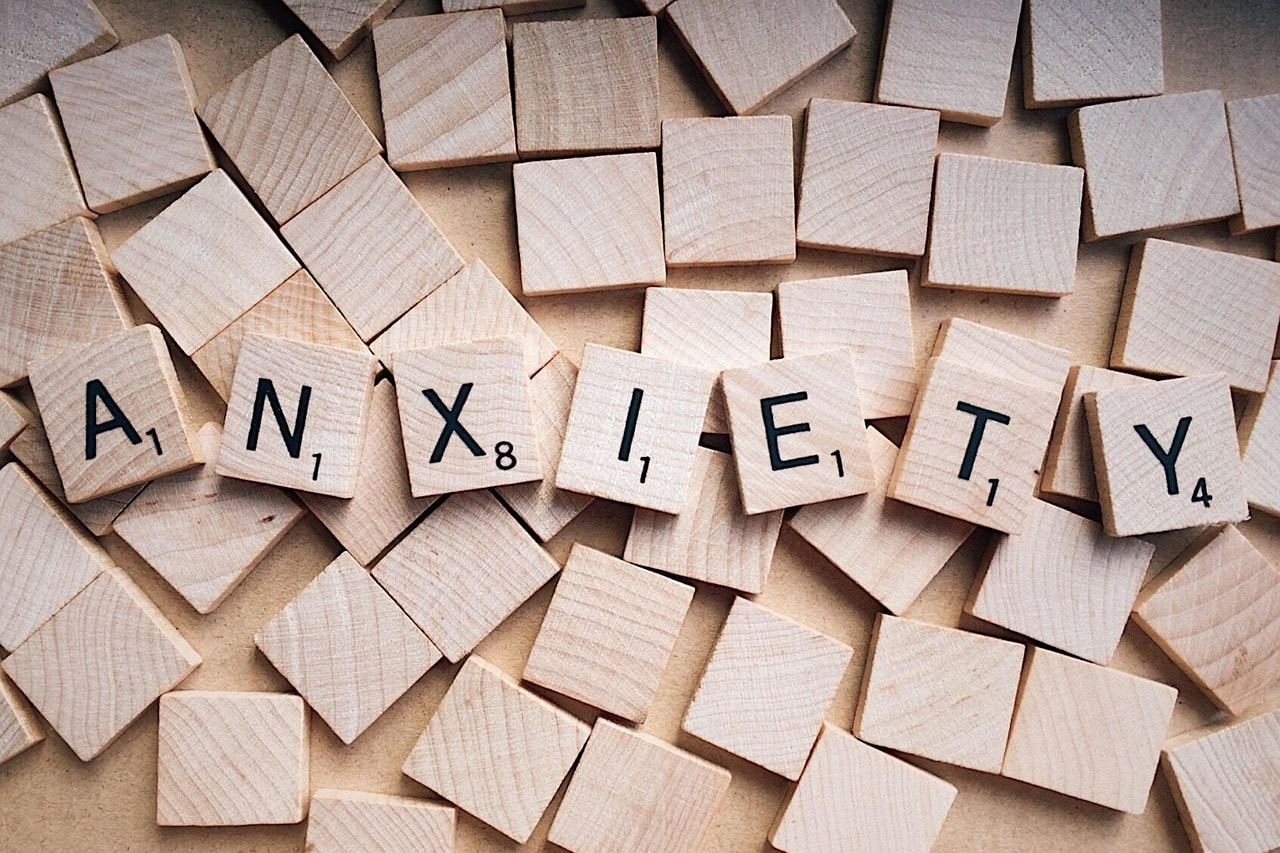
Normal anxiety can include things like:
Anxiety about specific situations: Job interviews, medical appointments, first dates, financial concerns, major life events, or transitioning through major life changes.
Performance anxiety: This can affect us in many different situations where we feel that our performance is being observed or judged in some way. Examples include public speaking (often cited as the most common fear in the UK), sporting activities, musical performances, sexual performance, exams, or presentations at work.
Both of these categories of fears and anxieties are extremely common. Many people have some element of a lack of confidence, self-doubt, fear of failure or self-consciousness in some area of their life that leads them to feel some degree of anxiety at times.
The therapy techniques that I use, including as hypnotherapy, NLP and EFT, are highly effective at resolving these issues, as they are with other anxiety issues and disorders.
The Main Various Types of Anxiety Disorders
Anxiety disorders are the most common mental health issue that people experience. However, anxiety disorders are not something that you have to live with.
Even if you have been suffering with an anxiety disorder for many years these issues can be overcome with the right approach for you.
The various types of anxiety disorders can overlap considerably and sometimes people may find that they have more than one or features of several of the different types.
Generalised Anxiety Disorder (GAD)
Generalised Anxiety Disorder involves persistent, excessive worry about a range of everyday situations. You might be feeling like you are constantly “on edge,” even when things are going well, and you might feel stuck in repetitive, negative thought patterns.
Symptoms can be both mental and physical. Common experiences include:
- Ongoing worry and anxiety about many things
- Overthinking and mental exhaustion
- Muscle tension, headaches, or digestive issues
- Difficulty relaxing or switching off
- Sleep problems and fatigue
Sometimes people worry about the physical symptoms and sensations that they are feeling caused by anxiety, which then fuel more worry, creating a difficult cycle to break.
In reality, the anxiety response has become habitual at an unconscious level, and your nervous system has learned to stay on high alert, often due to past experiences, emotional patterns, or prolonged stress.
As with all types of anxiety disorders, GAD can be effectively treated with the combination of holistic therapy techniques I use.
You can go to my Generalised Anxiety Disorder (GAD) page to find out more, and how I can help.
Panic Disorder and Panic Attacks
Panic attacks can feel frightening and overwhelming, often being triggered suddenly and without warning, or sometimes building over time.
Symptoms may include:
- Racing heart or chest tightness
- Shortness of breath
- Dizziness or feeling faint
- Sweating, shaking, or nausea
- Fear of losing control or dying
Once someone has had a panic attack, it’s often the case that they develop a fear of having another one, which can contribute to them having repeated panic attacks, as the fear can bring one on. This can lead to avoidance of places or situations that they fear might trigger a panic attack. This is called panic disorder.
I help clients to resolve the underlying issues that trigger panic attacks and I help them to calm their nervous system, reduce fear responses, and restore a sense of safety and control.
You can go to my panic disorder and panic attacks page to find out more, and how I can help.
Specific Phobias
Specific phobias, also called simple phobias, involve intense, irrational fear of particular objects or situations. The fear is out of proportion to any actual danger, yet feels very overwhelming and real.
Some common phobias include:
- Fear of flying
- Fear of water
- Fear of spiders or insects
- Fear of heights
- Fear of needles
- Fear of dogs
- Fear of enclosed spaces (commonly known as Claustrophobia)
- Fear of vomiting (commonly known as Emetophobia)
A phobia can cause you to feel extremely anxious and usually causes an intense fear response that makes you feel that you want to completely avoid the object or situation, even when you know your fear is illogical.
The good news is that phobias respond extremely well to hypnotherapy, NLP and EFT, without the need for prolonged exposure or distress.
You can go to my phobias and fears page to find out more, and how I can help
There are also complex phobias. The two most common ones are social phobia (social anxiety disorder) and agoraphobia, which I describe below.
Social Anxiety Disorder
Social anxiety disorder, also known as social phobia, isn’t just about being shy. It involves an intense fear of being judged, criticised, or embarrassed in any kind of social situations.
Common symptoms of Social Anxiety Disorder include:
- Fear of social interactions, especially with unfamiliar people
- Intense anxiety before social events, sometimes for days or weeks
- Avoidance of social situations
- Over-analysing conversations afterwards
- Physical symptoms such as blushing, sweating, or trembling
- Fear others will notice that you are anxious
Social anxiety usaully develops from past experiences, such as criticism, bullying, or feeling unsafe expressing yourself.
The holistic effective therapies that I use can gently release these emotional imprints and help you to rebuild your confidence from the inside out.
Agoraphobia
Agoraphobia involves having intense irrational fear of being in situations where you might feel trapped, helpless, or embarrassed, especially situations where escape might be difficult or embarrassing, or where help might not be available when you need it.
Someone might develop agoraphobia when they have panic disorder as they avoid places or situations that they fear might lead to another one. Some people have agoraphobia without having a history of panic disorder.
Examples of symptoms of agoraphobia include being afraid of:
- Being outside the home alone
- Using public transport
- Being in open spaces
- Being in enclosed spaces
- Being in a crowd
Someone with agoraphobia will also likely have general symptoms of anxiety or generalised anxiety disorder, due to being in an overstimulated nervous system and hypervigilant state.
Without proper treatment, agoraphobia can become more and more debilitating over time, leading some people to fear leaving their house or a specific room.
The holistic combination of therapies that I use are highly effective for helping you to overcome agoraphobia and to start to gain back your freedom to lead a happier life.
Health Anxiety (Hypochondria)
Health anxiety, also known as hypochondria, can lead you to excessively worry about your health and well-being. You may constantly fear the worse and worry about having or developing a serious illness.
This can include:
- Constantly checking your body for symptoms
- Repeatedly searching online for health information
- Difficulty trusting medical reassurance
- Heightened awareness of bodily sensations
Health anxiety can be exhausting and frightening, often fuelled by uncertainty and a need for control. Ironically, the anxiety itself often creates physical symptoms, which then fuel more worry.
The holistic therapy techniques that I use can help you to resolve the underlying issues around your health anxiety and other fears, soothe the nervous system, reduce catastrophic thinking, and restore trust in your mind and body.
Obsessive Compulsive Disorder (OCD)
OCD involves intrusive thoughts (obsessions) and repetitive behaviours or mental rituals (compulsions) aimed at reducing anxiety. However, this works only temporarily and keeps the obsessive cycle going. OCD is often misunderstood; it can be extremely distressing and debilitating.
As someone who used to suffer from severe OCD, I understand how it works.
Common OCD themes include:
- Fear of contamination or harm
- Intrusive or unwanted thoughts
- Checking, counting, or reassurance-seeking
- Mental rituals to “neutralise” anxiety
OCD is a fear and anxiety-driven cycle. There are a multitude of forms and ways that someone can experience OCD, and people often develop more than one theme.
The holistic techniques I use are highly effective at working with the underlying emotional, psychological, and neurological patterns that drive OCD, and for helping you break the cycle of intrusive thoughts and compulsive behaviours.
You can go to my obsessive compulsive disorder (OCD) page to find out more, and how I can help.
Trauma-Related Anxiety And PTSD
Trauma related anxiety can develop after experiencing or witnessing a traumatic event or series of events. Post Traumatic Stress Disorder (PTSD) can result from any severely distressing experience, including accidents, assault, natural disasters, a difficult childbirth, or witnessing violence.
Symptoms can include:
- Intrusive memories or flashbacks
- Nightmares related to the trauma
- Avoiding reminders of the event
- Negative changes in thoughts and mood
- Being easily startled or always on guard
- Irritability or angry outbursts
- Difficulty sleeping or concentrating
Someone with trauma related anxiety may develop other types of anxiety disorders due to hypervigilance and their over stimulated nervous system.
Trauma-informed techniques, particularly NLP techniques, including a technique called the Fast Phobia (also known as The Rewind) is a way to rapidly and very gently work with trauma in a way that doesn’t retraumatise. EFT is also extremely effective for this, as it is for all types of anxiety.
Clinical research demonstrates that EFT (Emotional Freedom Techniques) is an evidence-based practice for treating anxiety, PTSD, and other psychological conditions.
We also work with your nervous system to restore a sense of safety, allowing your mind and body to process experiences at a pace that feels manageable and supportive for you.
Other Anxiety Disorders
The above is a description of some the various types of anxiety disorders. There are a number of other anxiety disorders, and mental health issues that are driven by anxiety. They include Selective Mutism, Separation Anxiety Disorder, and Body-focused repetitive behaviours (BFRBs), such as Hair Pulling (Trichotillomania), Skin Picking Disorder (Dermatillomania) and Body dysmorphic disorder (BDD.
Whatever form of anxiety you experience, effective holistic therapy, tailored to you, can help you to overcome it.
Anxiety disorders And Depression
Many people experience anxiety with depression. Not everybody who is anxious is depressed but it’s very common for people who are depressed to have some symptoms of anxiety. Depression can also follow on as a response to long term anxiety.
The combination of anxiety and depression can feel particularly overwhelming, as the symptoms of each can reinforce the other.
I have helped many people to overcome both anxiety and depression using a combination of effective holistic techniques, tailored to each client.
Anxiety Doesn’t Define You

One of the most important things to understand is this: anxiety is not who you are. It is something your mind and body has learned to do in response to experiences and situations in your life.
Recognising what type of anxiety you’re experiencing isn’t about labelling yourself. Rather, it’s about understanding your patterns so you can find the most effective help.
Different types of anxiety may respond better to different therapeutic approaches, although the techniques I use, including hypnotherapy, NLP, and EFT Tapping work beautifully across all anxiety types because they address the underlying patterns and the responses in both your mind and body.
Holistic therapy doesn’t force you to relive experiences or “push through” fear. Instead, it helps your mind and body feel safe enough to let go of patterns that are no longer serving you.
You Don’t Have to Fit Neatly into Any Category of Anxiety
It’s important to know that anxiety doesn’t always fit neatly into one category. You might recognise elements of several types in your own experience. Many people have more than one type of anxiety, or their anxiety might shift over time.
What matters most is not the label, but finding effective support that helps you to let go of the underlying issues, feel calmer, more in control, and able to live the life you want.
How Holistic Therapy Can Help With Anxiety

As a hypnotherapist, NLP Master Practitioner and EFT practitioner, I work with anxiety by addressing both the emotional and unconscious drivers behind it, and with calming techniques to help you calm your nervous system. I also give you tools and techniques to use in between sessions and whenever you feel you need to in the future.
Sometimes diet and lifestyle are also a factor, which if clients are encouraged to improve, they can gain a greater improvement in their mental health.
Many clients notice not only a reduction in anxiety symptoms, but also improvements in sleep, confidence, emotional balance and overall wellbeing.
Having experienced severe anxiety, OCD and depression myself years ago, I understand how overwhelming it can feel. I also know that complete recovery is possible. Using natural, holistic approaches, I was able to overcome my own anxiety, and I’m passionate about helping others to overcome these issues too.
If you’d like to learn more about how these specific therapies work and why they’re so effective for anxiety, you might like to read my blog on Effective Anxiety Treatment with Hypnotherapy, NLP & EFT.
Online And In-Person Anxiety Treatment
I offer online therapy for anxiety, allowing you to receive therapy from the comfort of your own home. Online therapy sessions, where I may use a combination of online hypnotherapy, online NLP and online EFT, tailored to you are just as effective as in-person sessions and are ideal if anxiety makes travel or busy environments challenging.
I also offer in person sessions in Luton and Harpenden, conveniently located for clients looking for therapy for anxiety in Bedfordshire or for therapy for anxiety in Hertfordshire.
Although I specialise in all types of anxiety issues, I help clients with a wide range of other issues too.
Free 20-minute telephone consultation.
If you have questions you would like me to answer or would like to know more about how I can help you, I offer a free 20-minute telephone consultation.
Disclaimer: This website does not provide medical advice. This blog post is intended for informational purposes only. Consult your GP or otherwise medically qualified health professional regarding any medical issues you have, changes to your treatment or medication.